“My journal requires a graphical abstract.”
You have the paper, but you need the key message translated into a clear visual format that can be adapted to the journal’s current specifications.

Convert your manuscript, key finding or author sketch into a structured 2D graphical abstract for journal submission, online publication or research communication without changing the underlying research message.
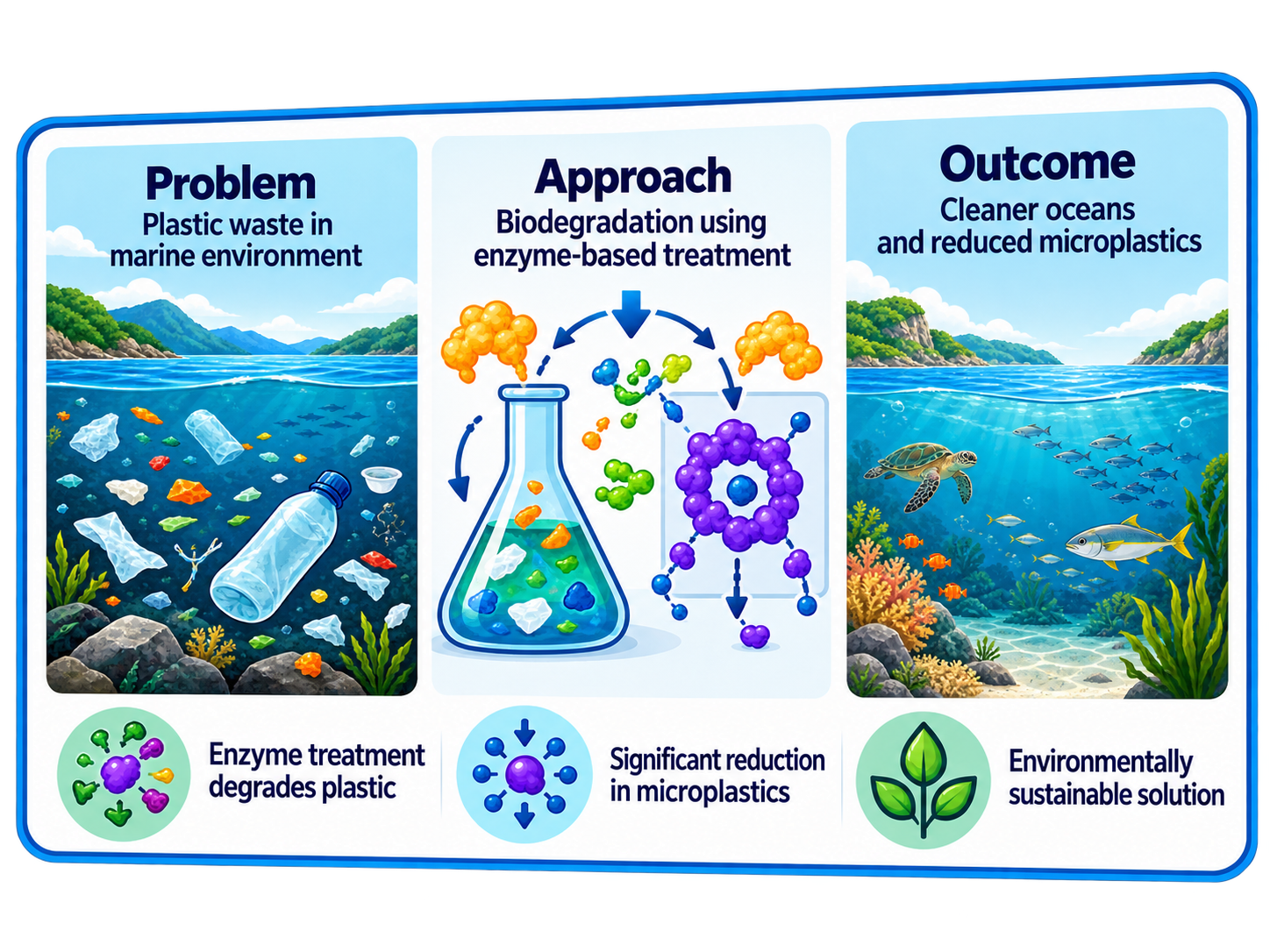
For a standard graphical abstract requirement, Graphical Abstract Design Service starts from ₹7,500 per graphical abstract. The included scope centres on manuscript and key-finding review, visual concept development, scientific layout and final journal-ready design, with additional requirements quoted against the actual materials and complexity.
Complex mechanisms, unusually dense manuscripts, multiple graphical abstracts, extensive custom illustration, major redraws, missing source material, substantially changed manuscript content, extra output formats, or accelerated deadlines require a custom quotation. A shorter deadline can be assessed after the working files and requested scope are reviewed; accelerated delivery is confirmed only when feasible for that assignment.
A graphical abstract is a concise visual summary of the central research message. It can show the problem, approach, mechanism, workflow or key outcome in a form readers can understand quickly alongside the article.
Typical reasons authors approach this service before journal submission or research dissemination.
You have the paper, but you need the key message translated into a clear visual format that can be adapted to the journal’s current specifications.
Your manuscript contains several findings and you need help choosing a focused visual storyline instead of trying to place the entire paper into one graphic.
Your scientific idea is already mapped out, but the layout, hierarchy, labels and visual consistency need professional refinement.
You need a methodology-based abstract that shows the sequence of data collection, experimentation, processing or analysis without unnecessary detail.
You want a 2D scientific mechanism abstract that uses author-supplied relationships and terminology in a cleaner, easier-to-follow composition.
You have a draft visual, but the message is buried under excessive text, repeated elements or weak emphasis.
You need participants, intervention or study approach and key outcomes arranged clearly from researcher-supplied study content.
You need a review-paper graphical abstract that summarises the author-defined themes or mechanism without inventing evidence or conclusions.
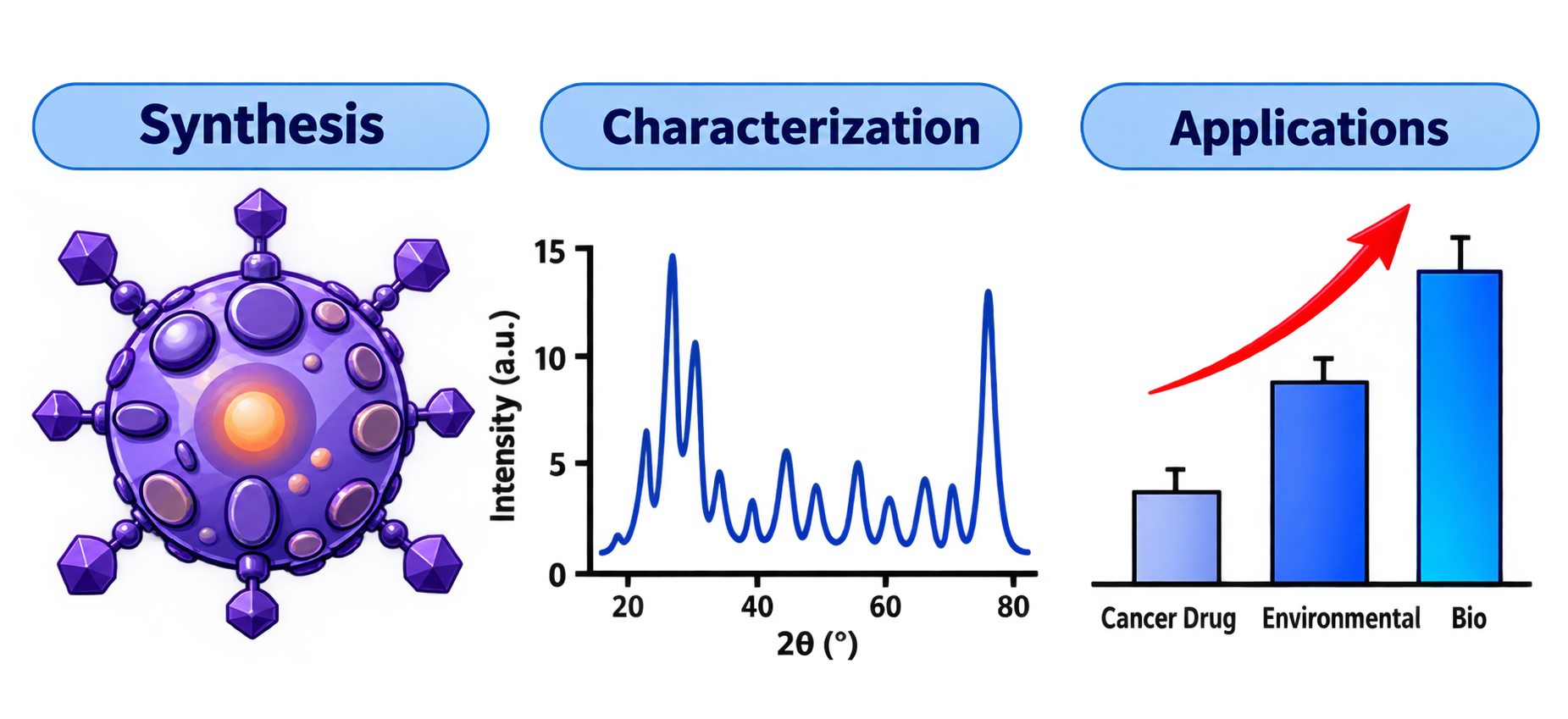
Six common graphical-abstract formats for research communication, journal submission and technical presentation.
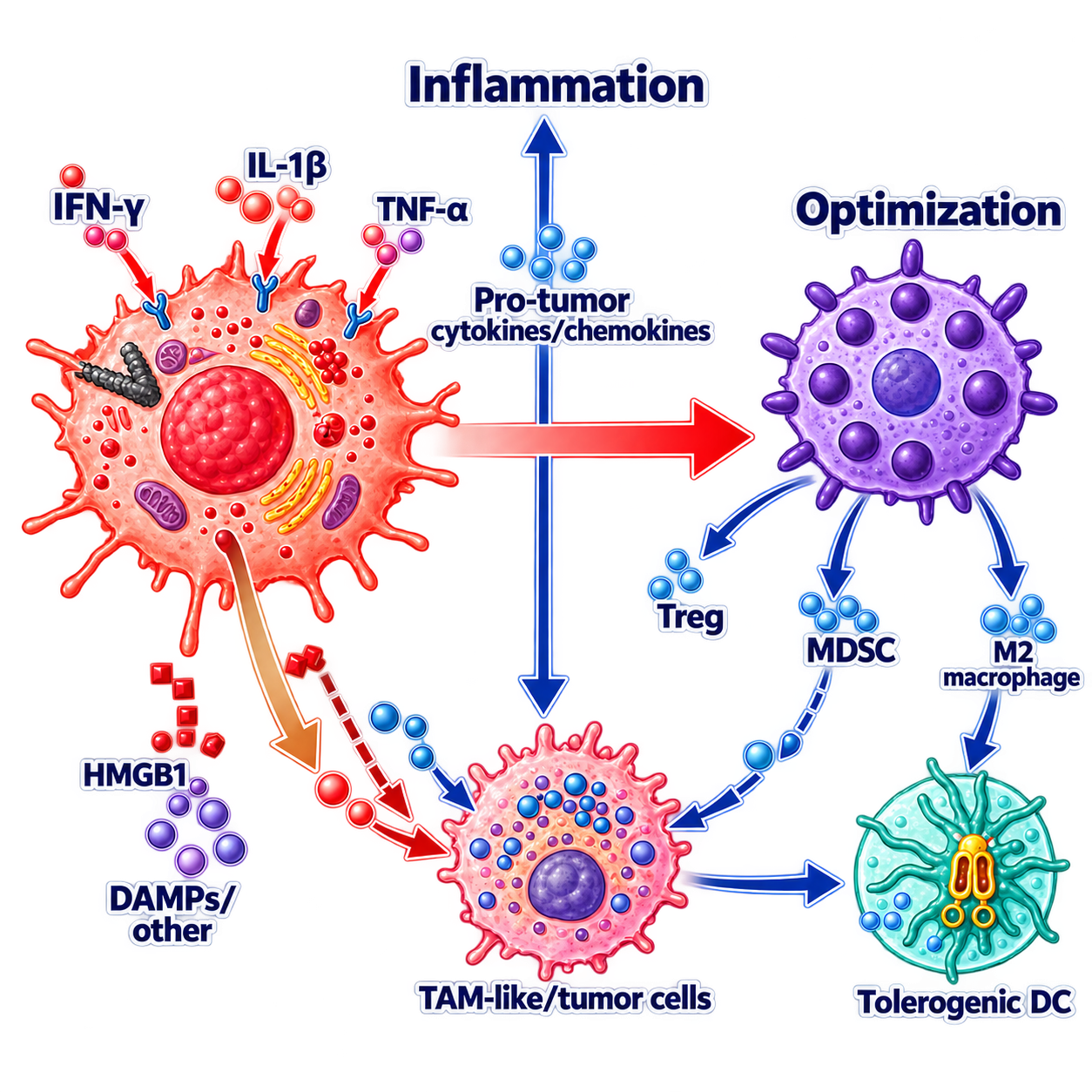
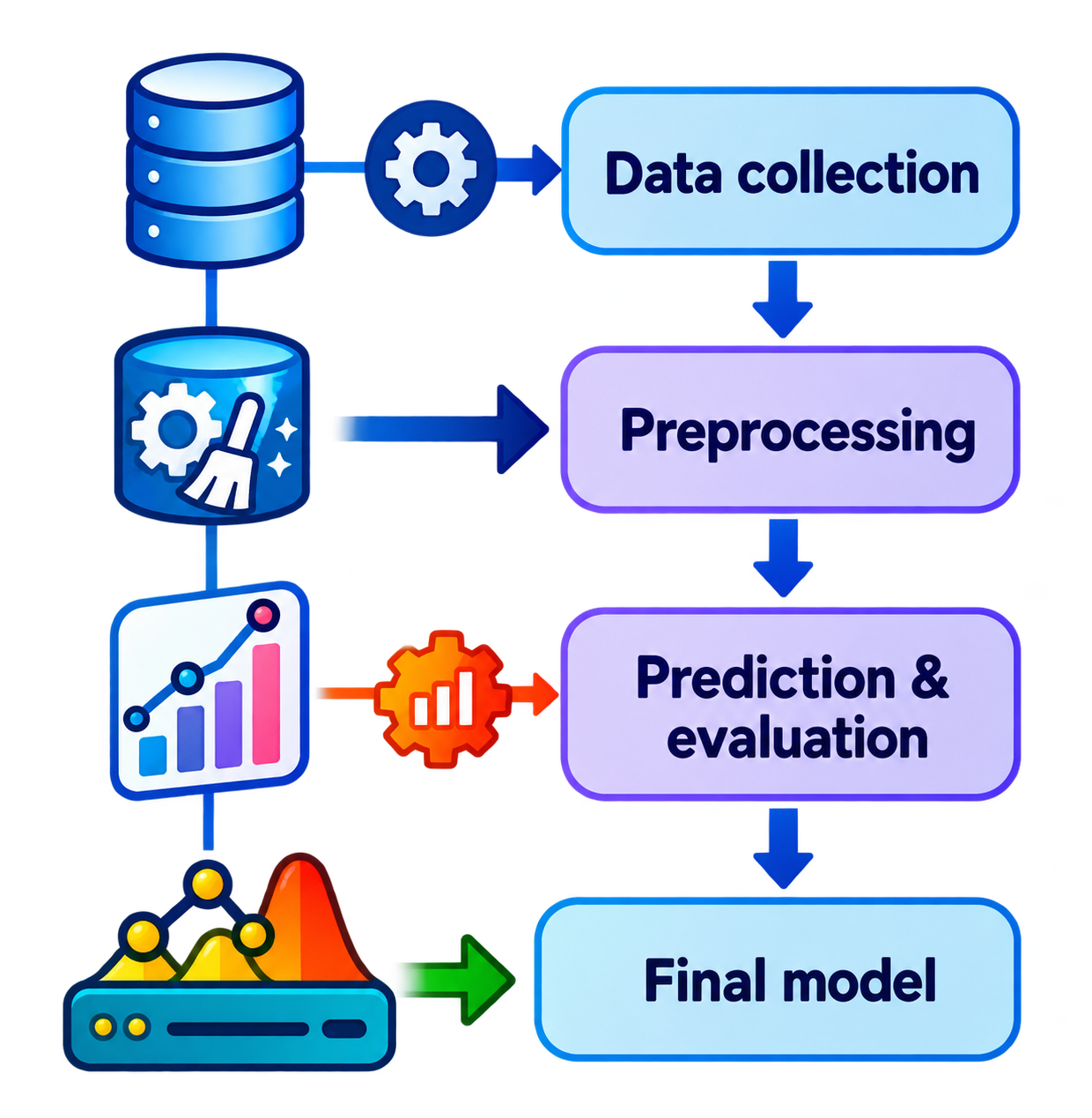
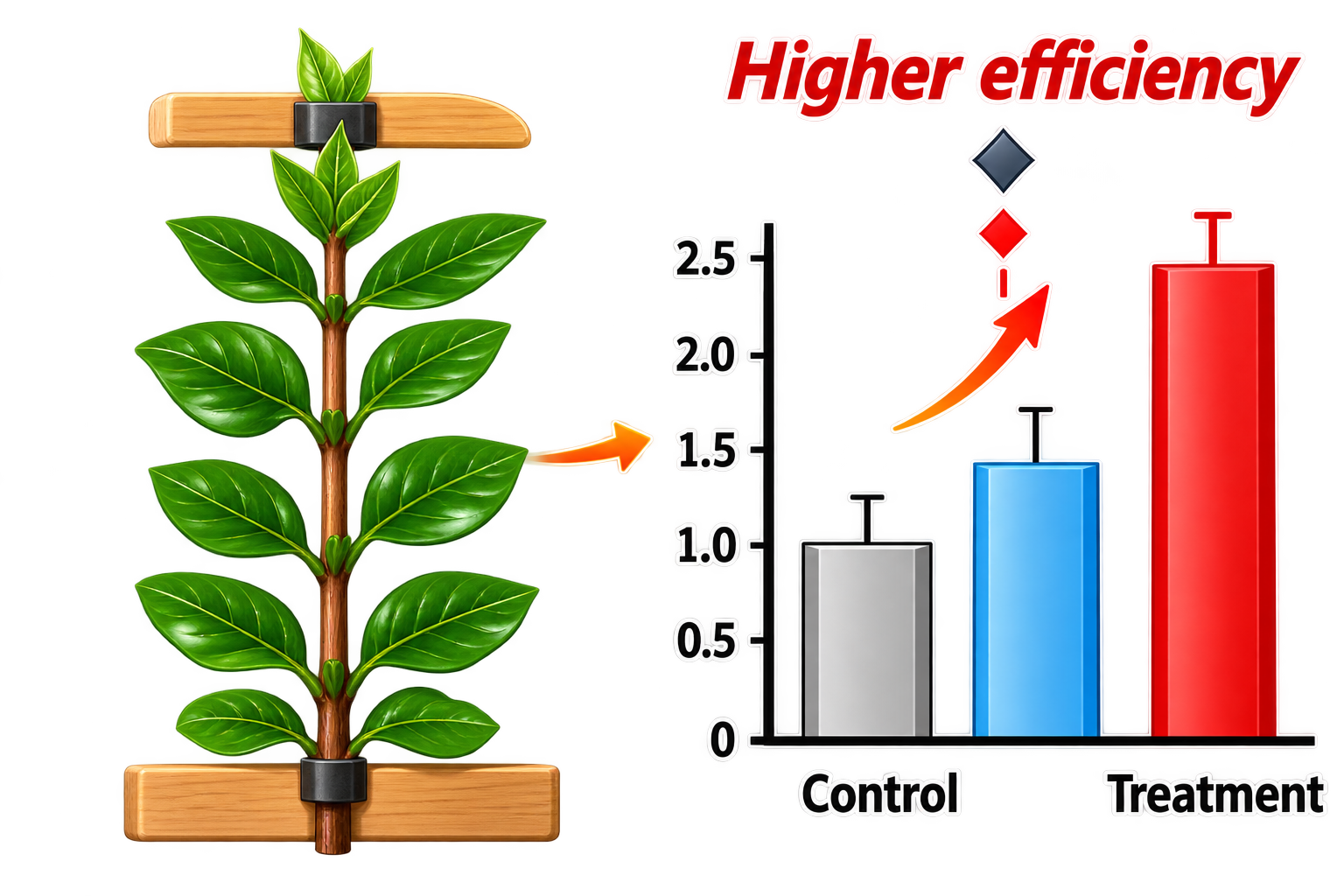
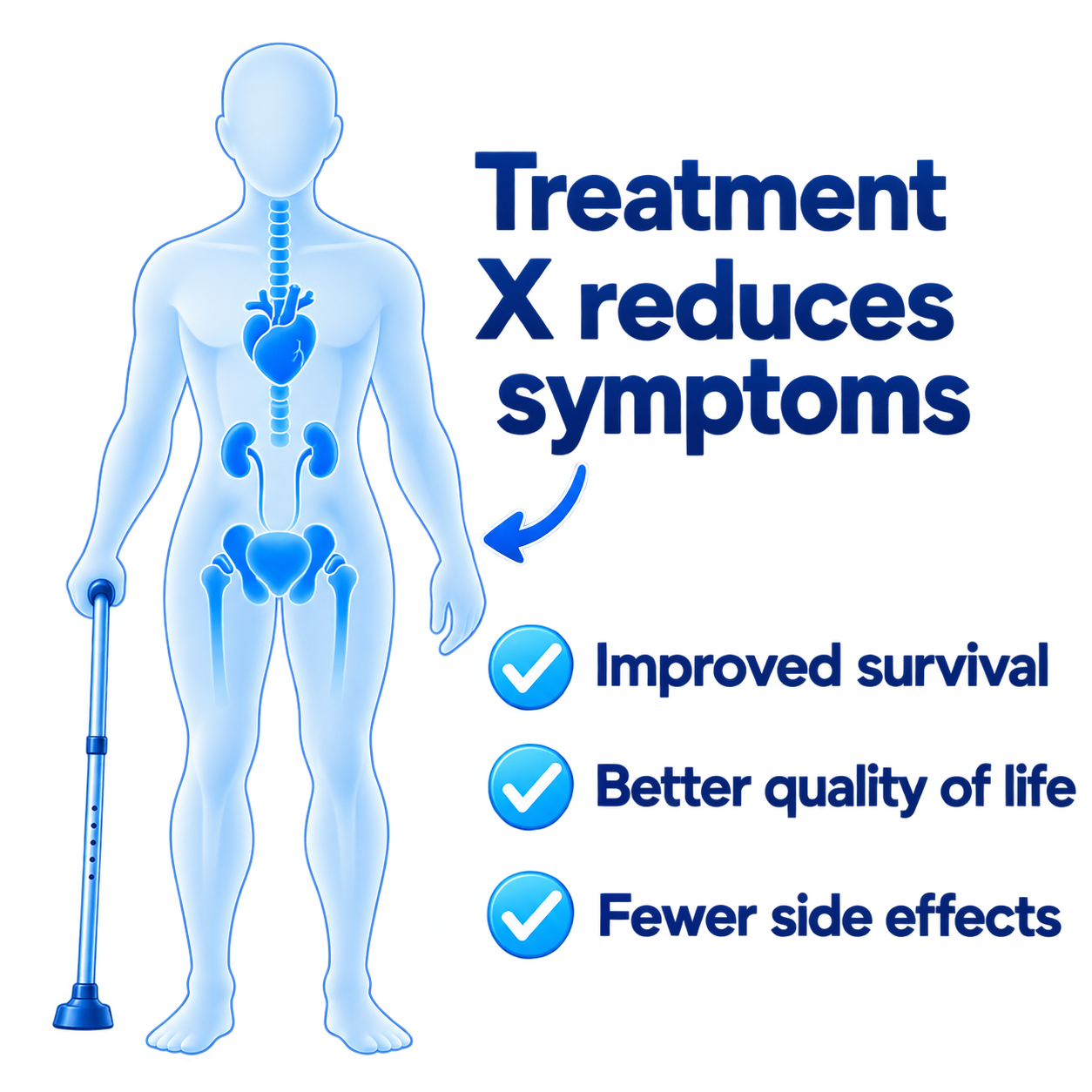
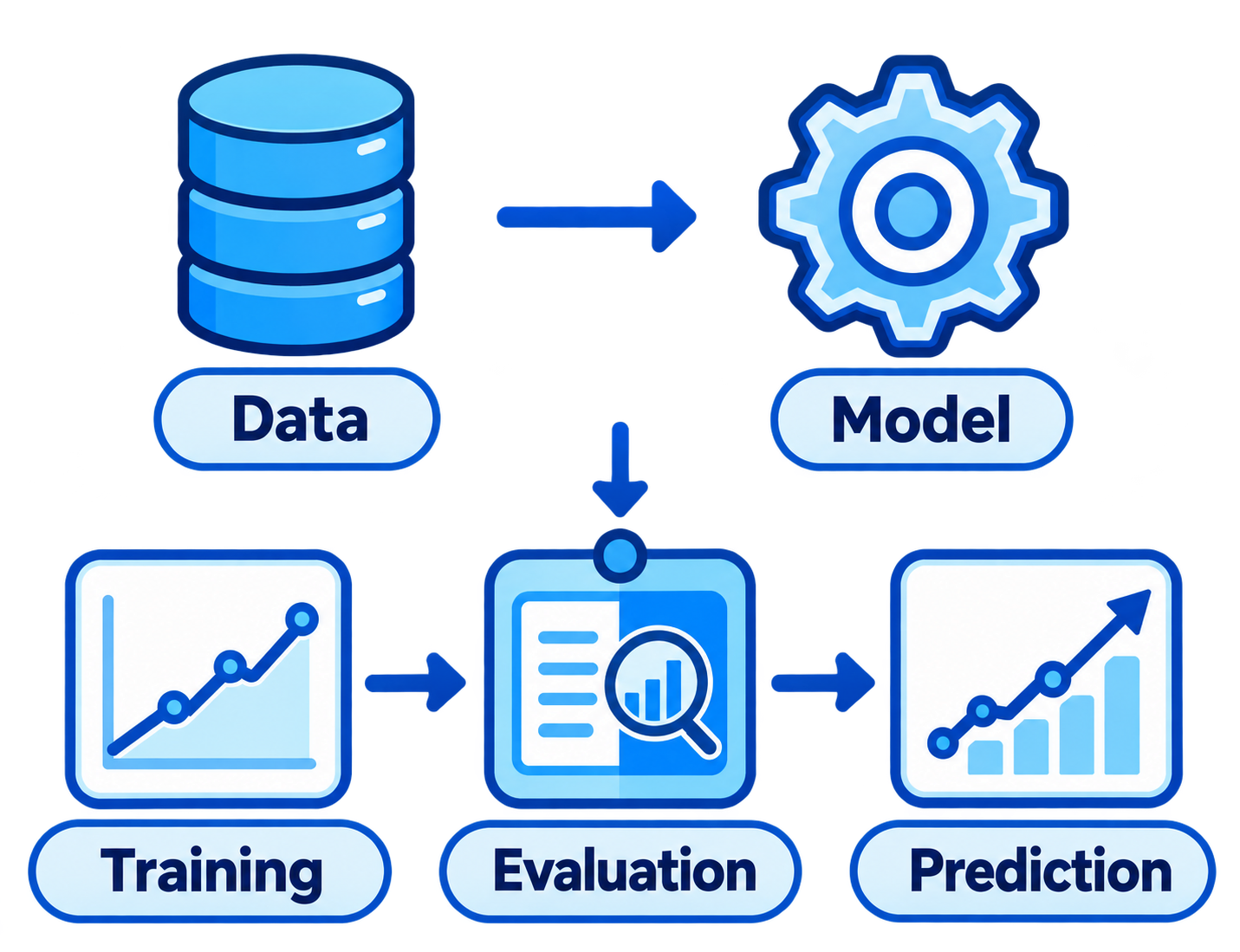
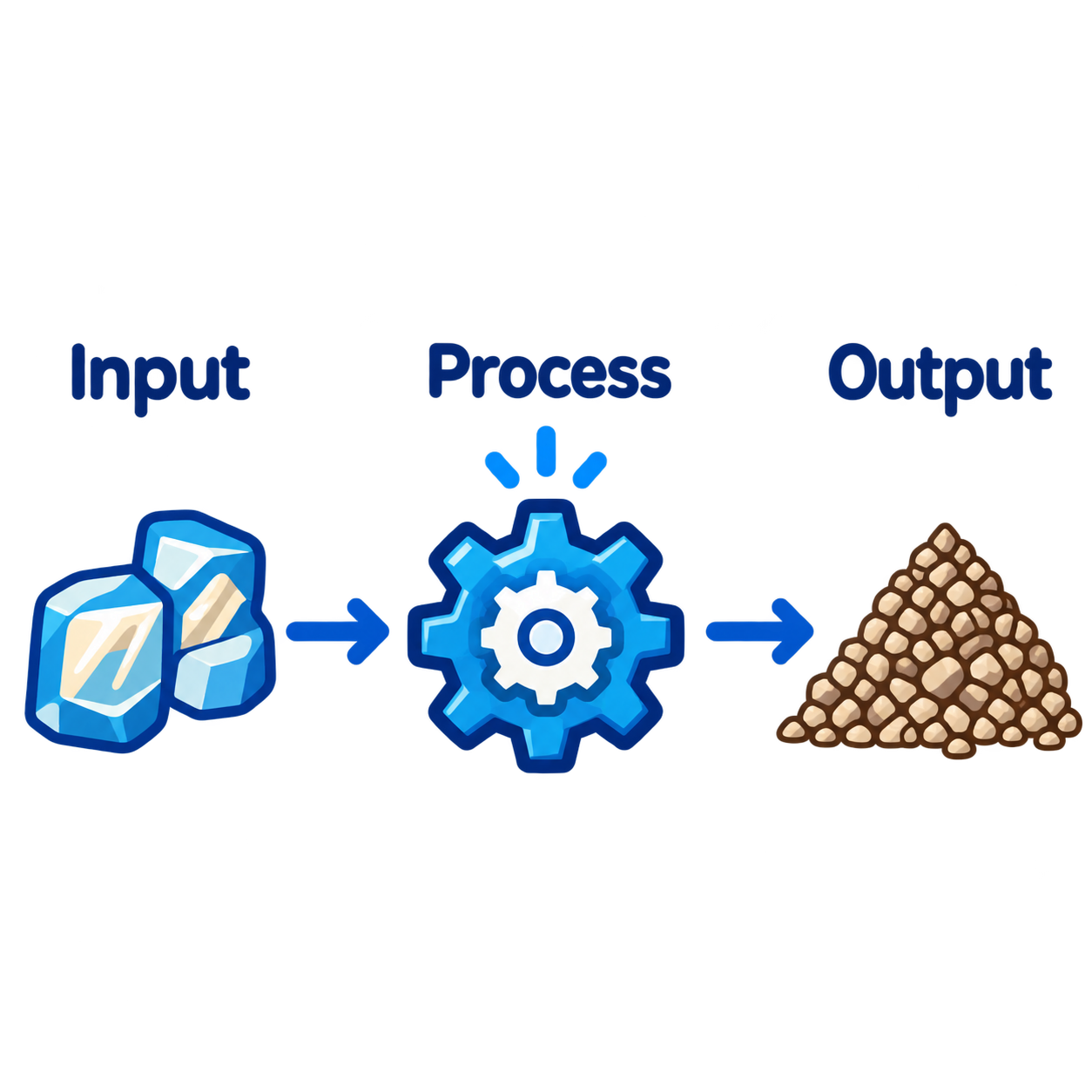
For researchers who already have the research content and need the central message communicated visually.
Disciplines are limited to the fields supported for this graphical abstract service.
A focused project-start checklist keeps the visual faithful to your paper.
Outputs are prepared around the agreed design scope and supplied submission requirements.
Illustrative demonstrations only. These are not presented as client work, published papers or journal-endorsed examples.
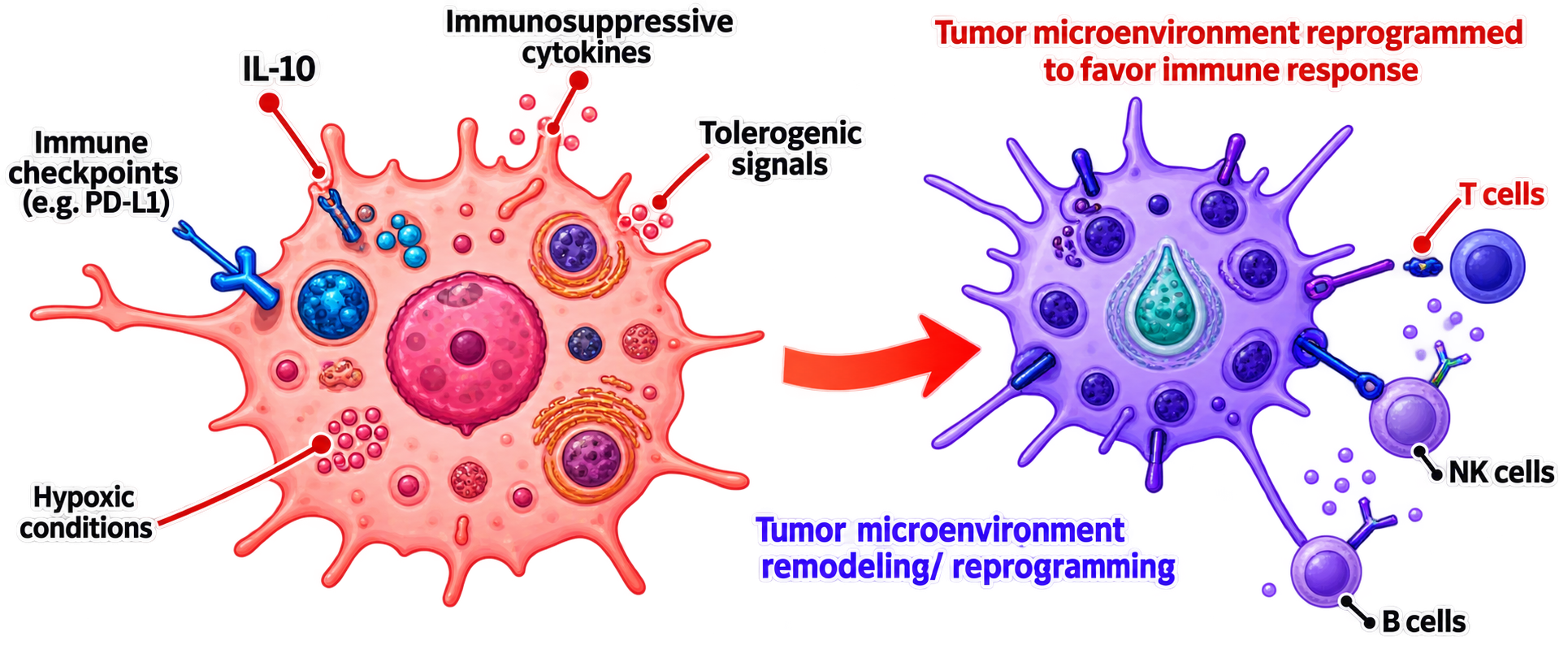
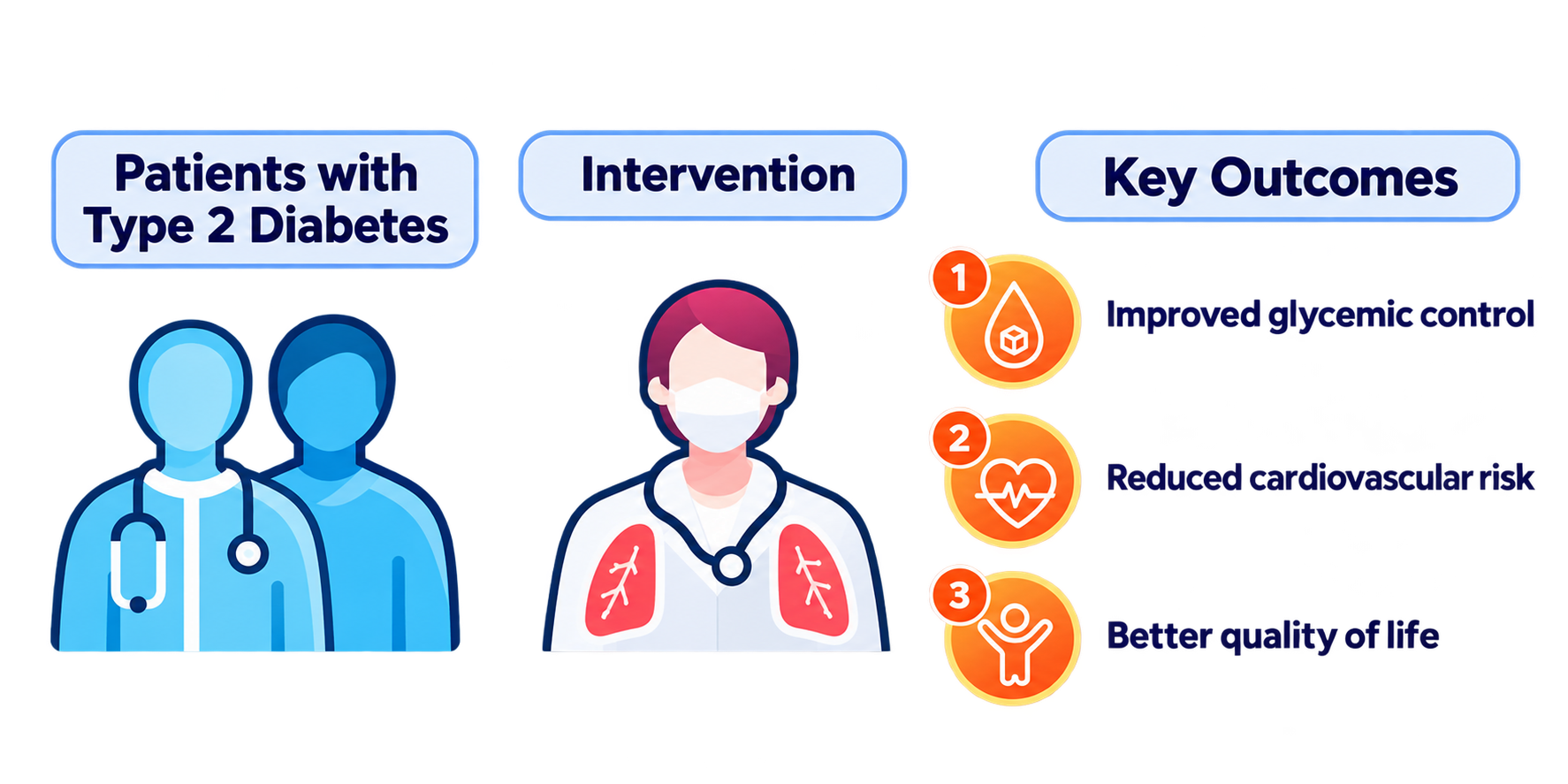
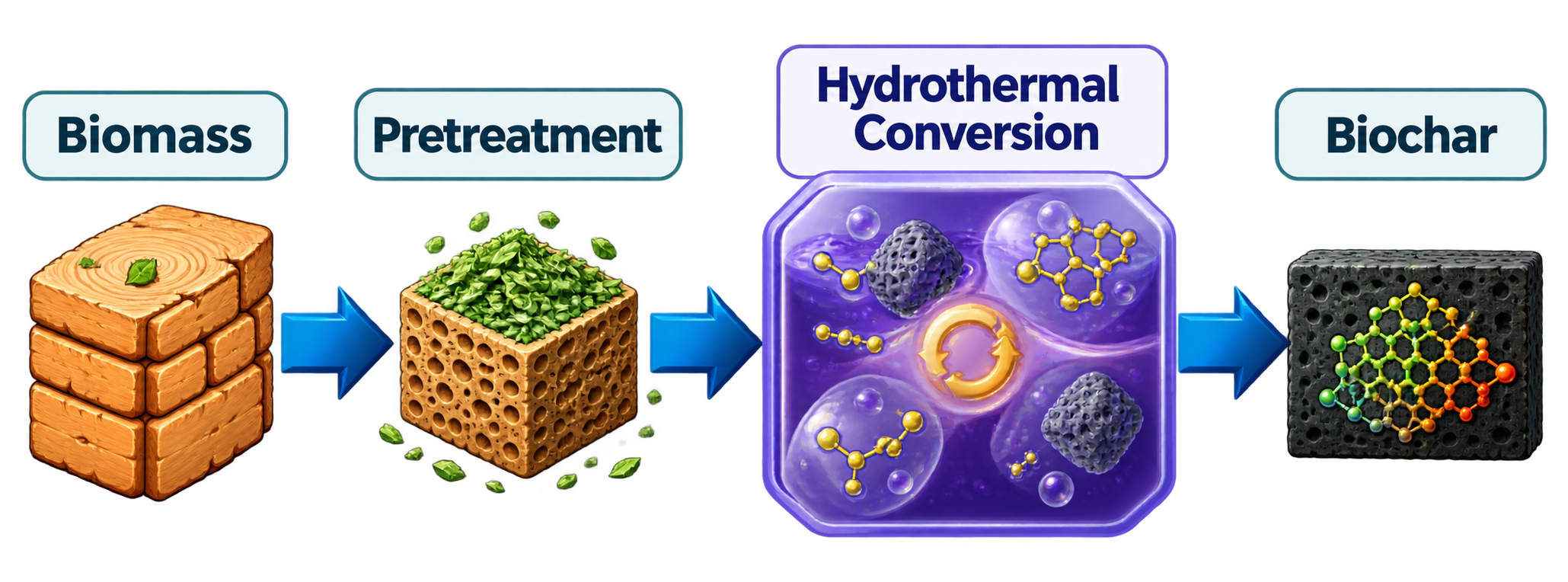
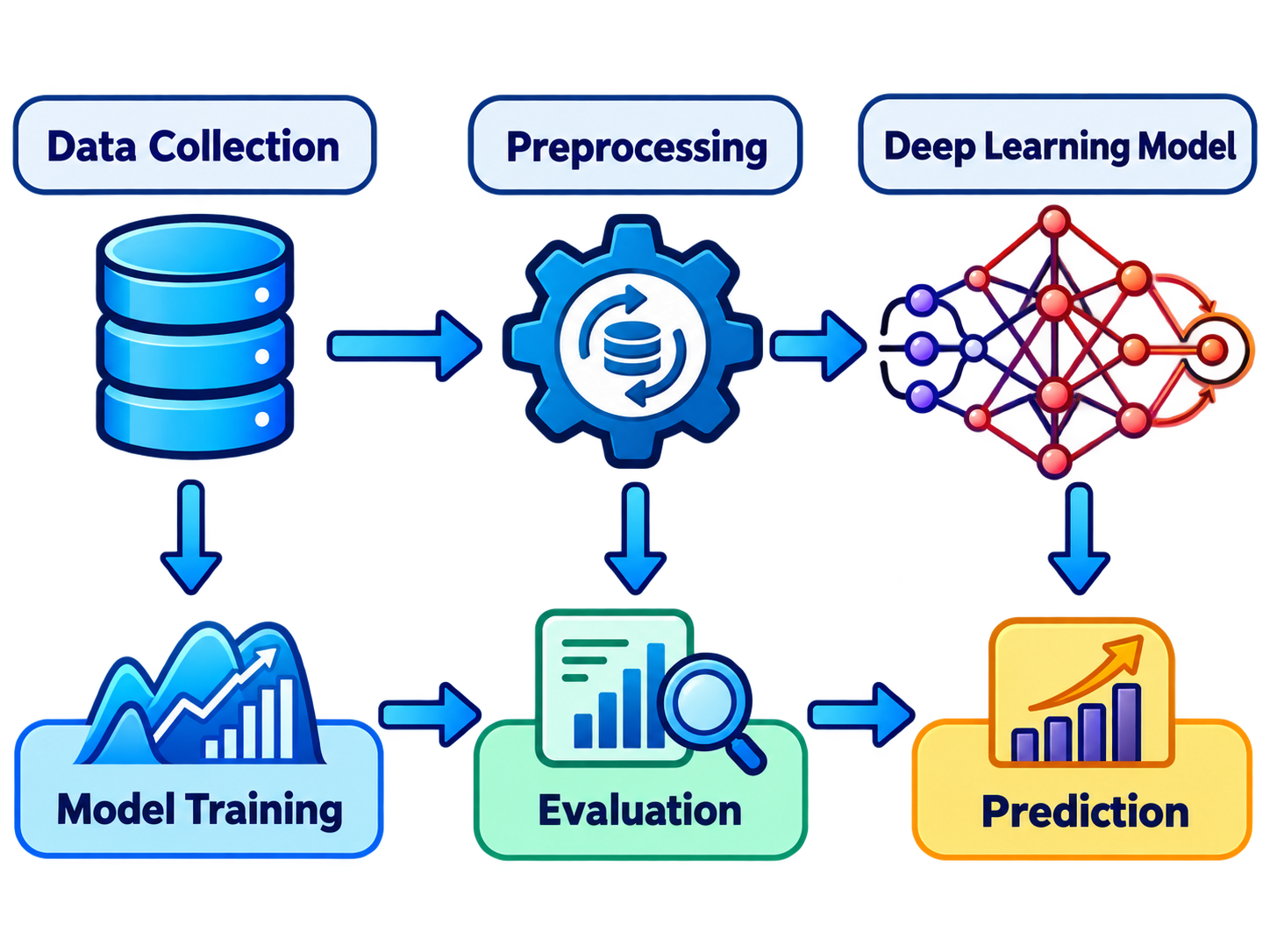
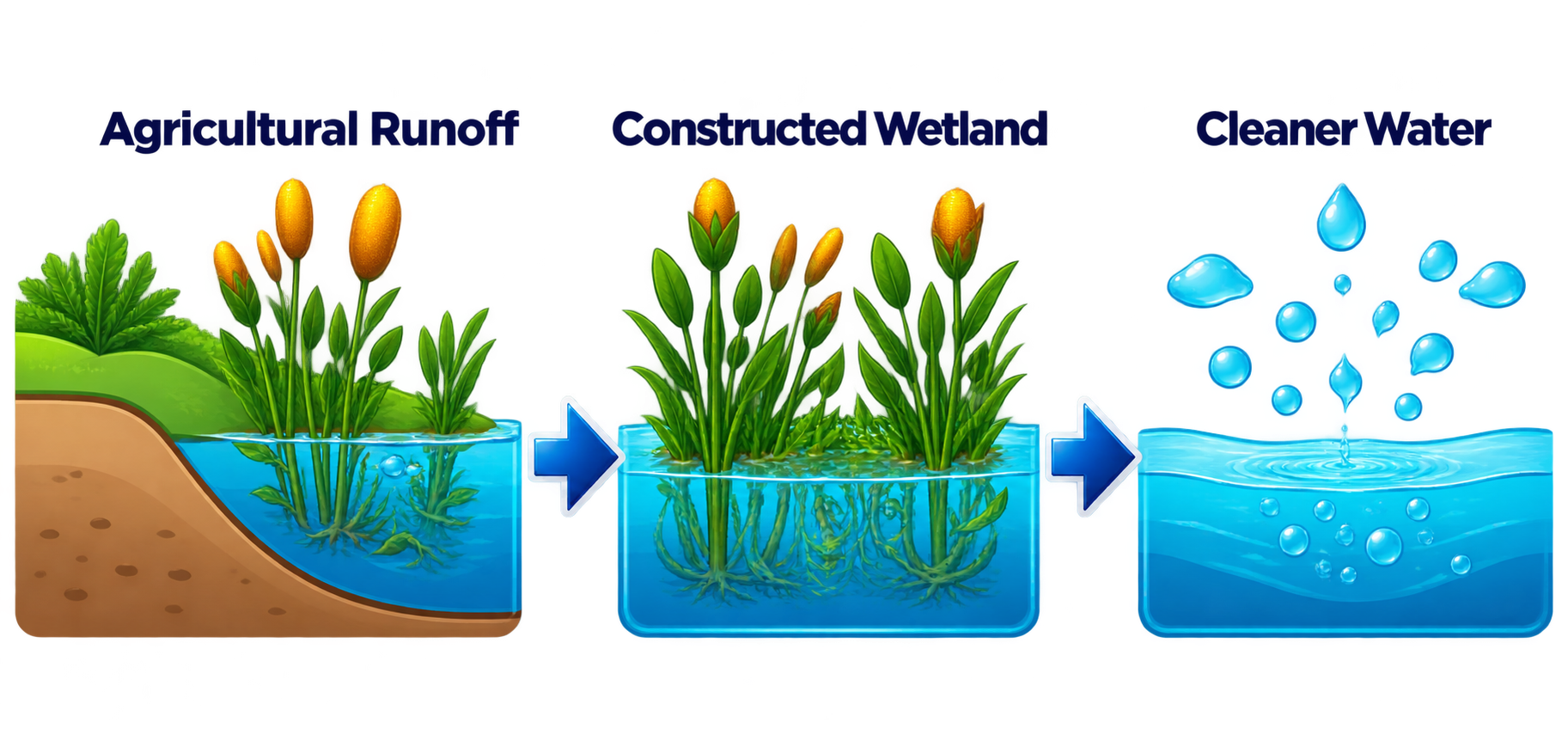
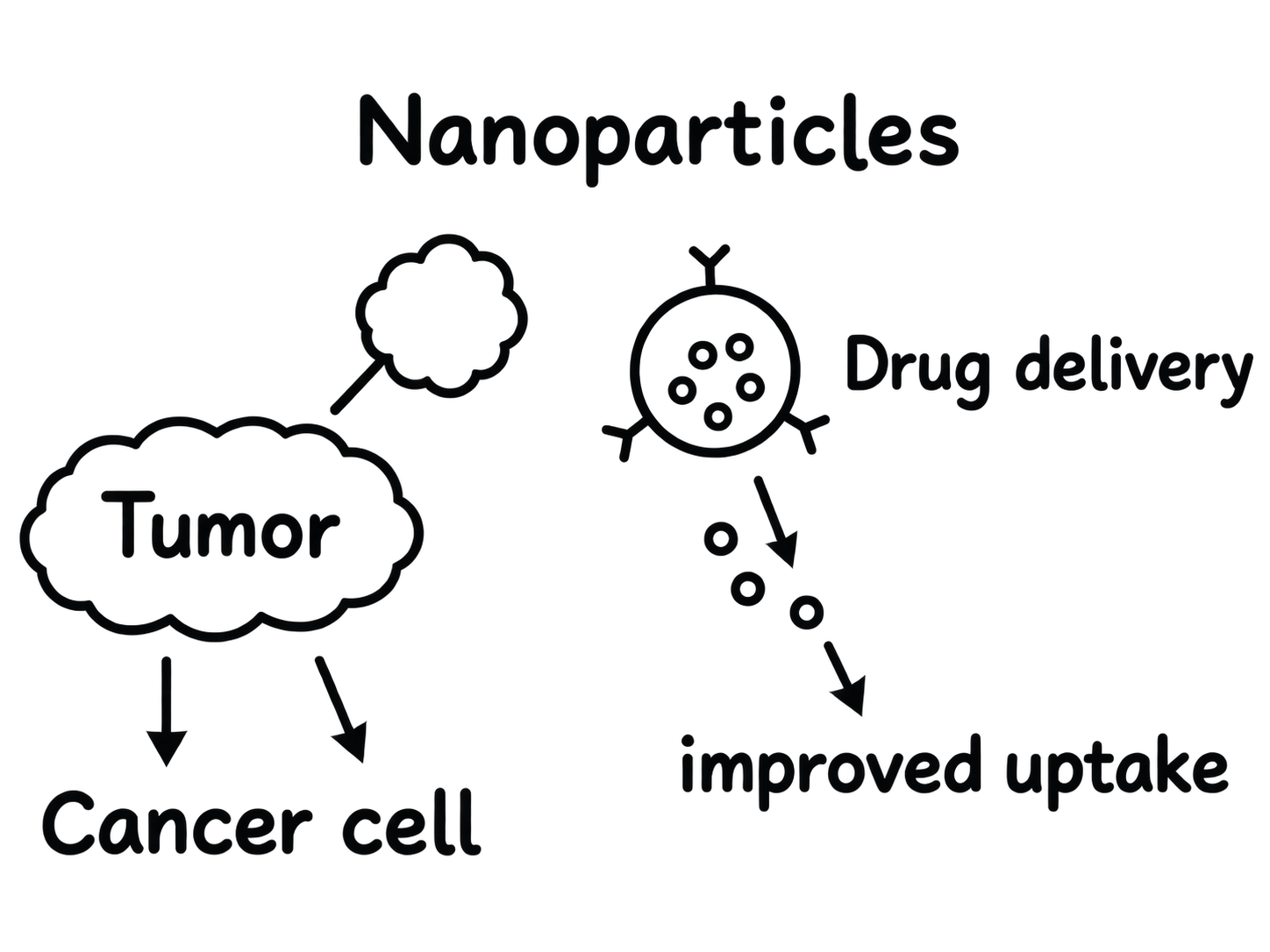
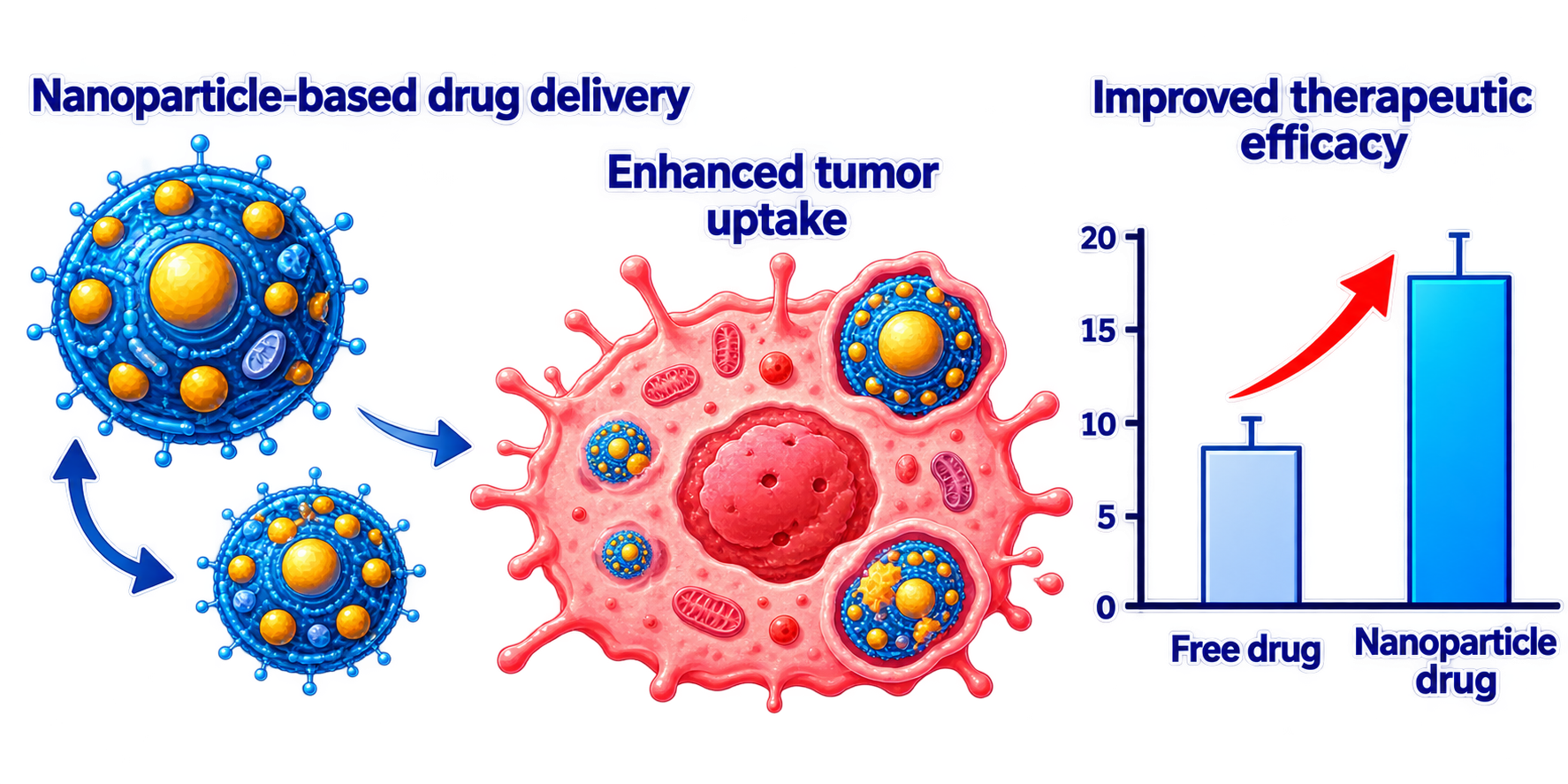
An illustrative example of how author-supplied content can move from written finding to sketch and then to a clearer final composition.
Illustrative text: A targeted nanocarrier improved cellular uptake of a therapeutic compound compared with the free compound under the study conditions described by the researcher.
The designer’s job is to identify the visual sequence not to change the measured effect, statistical evidence or conclusion.
A manuscript-focused workflow from research message to submission-ready visual.
Send the manuscript or final draft, key finding and current journal guidance.
Identify the central story, sequence and level of detail from the supplied content.
Structure a mechanism, methodology, results or other supported graphical-abstract layout.
Create the 2D visual hierarchy, illustrations, labels and visual connections.
Apply agreed refinements and prepare the final high-resolution, journal-sized output.
Delivery timing and revision support are aligned with the service summary shown above.
Standard graphical abstract projects are typically delivered within 4–6 working days after the required project material and design direction are available.
Three refinement rounds are included for adjustments within the approved brief, such as labels, spacing, hierarchy, alignment and other agreed design corrections.
Journal specifications can change, so the current official guidance you supply is used rather than assumed numeric requirements.
Share the current width, height, aspect ratio or orientation required by your target journal when specified.
Send the current author instructions so the final delivery can follow the journal’s accepted graphical-abstract format.
Any journal-specific restrictions on text, labels, legends or image content should be supplied before final preparation.
Tell us whether the graphical abstract is for initial submission, revision, accepted-paper production or another defined journal stage.
Three revision rounds are included for refinements that stay within the approved brief and preserve the agreed research message.
Typical refinements may include label corrections, hierarchy adjustments, spacing, alignment, colour balance, minor icon changes or other agreed design corrections that keep the approved concept and research message intact.
A new concept, substantially changed manuscript, a different key finding, major new content, or new journal specifications introduced after completion may require the scope and schedule to be reconfirmed.
The service improves presentation and communication. It does not fabricate, manipulate or misrepresent the research behind the graphic.
The visual should reflect the researcher-supplied evidence, terminology, relationships and conclusion. The design may simplify presentation, but not the meaning of the research.
We do not fabricate data, invent results, change p-values, manipulate statistical significance, selectively remove inconvenient evidence, create fake citations, misrepresent authorship or alter conclusions merely to make the design more persuasive.
Practical answers about inputs, formats, timelines, revisions, journal specifications and research integrity.
The service includes manuscript-to-graphical-abstract design, sketch-to-design, methodology, mechanism, results, clinical, review-paper and 2D scientific graphical abstracts.
Send your manuscript or final draft, target-journal author guidelines, the key finding you want communicated, preferred orientation where known, existing figures and a rough sketch if available.
Yes. Manuscript-to-concept work is included in the service scope. The design is built from the research content and key finding supplied by the author rather than from invented results.
Yes. A researcher-supplied rough sketch can be used as the starting point and refined into a clearer 2D graphical abstract while preserving the intended scientific meaning.
You receive a submission-ready graphical abstract, a high-resolution output and a journal-sized version when current dimensions are supplied. An editable file is included only where it is part of the agreed scope, and a social-media version is optional only where agreed.
Typical delivery is 4–6 working days for a standard graphical abstract project after the required project material is available. Unusually large, incomplete or materially changed projects may need a confirmed schedule after review.
Three revision rounds are included for refinements within the approved brief. A new concept, substantially changed manuscript content or major new requirements may require the scope and schedule to be reconfirmed.
Yes, when you provide the current official target-journal requirements. Orientation, dimensions, permitted file types and other submission specifications are applied from the supplied guidance; numeric requirements are not invented when they are unavailable.
Yes. The supported scope includes review-paper graphical abstracts and clinical visual abstracts, as well as original research and experimental papers.
No. The service improves presentation and visual communication but does not fabricate data, invent results, manipulate statistical significance or alter conclusions merely to improve appearance.
No. The service prepares the agreed graphical abstract for clearer research communication and supplied submission requirements, but it does not guarantee journal acceptance.
Tell us about any institution-specific confidentiality, NDA or file-handling requirement before sharing sensitive material so the project-handling requirement can be confirmed.
Share your contact details, preferred deadline and a short description of the graphical abstract you need. You can provide detailed journal guidance and files after the enquiry is reviewed.
A shorter enquiry form to help us understand your requirement quickly. Detailed files and journal instructions can be shared after the initial review.
This form collects enquiry details only and does not upload files. Keep your manuscript, journal guidance, rough sketch and existing figures ready to share through the agreed project channel after review.