Buying Guide & Comparison Writing Service That Makes Product Choices Clearer
★★★★★4.8 rating from Researchers, Authors, Students, and Scholars
Create useful buying guides, head-to-head comparisons, product roundups, and buyer-help content that explains meaningful differences, answers purchase questions, and gives readers a clear path from research to decision.
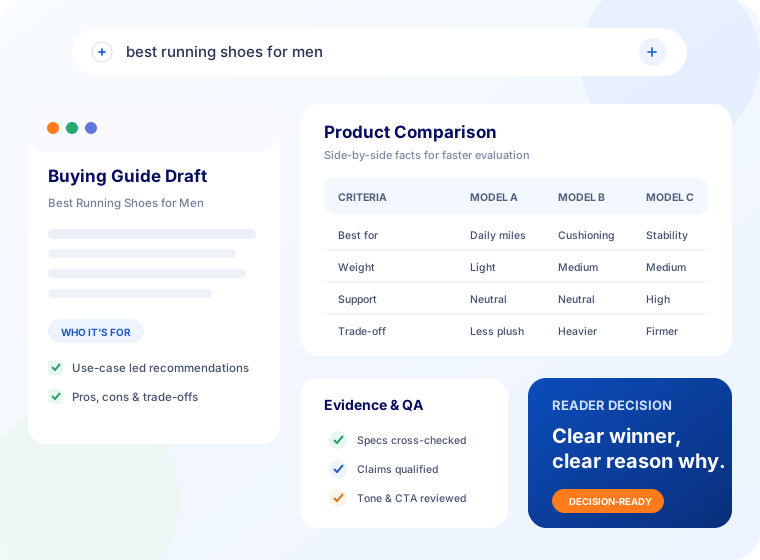
Write guides around the buyer questions, selection criteria and use cases that shape a purchase decision.
Explain product differences, pros, cons and trade-offs in a balanced comparison structure.
Build search-aware headings and FAQs that help readers navigate the guide without keyword stuffing.
Deliver human-written, editorially reviewed copy with consistent terminology and recommendation logic.
Search-Intent AlignedBuilt around the query and decision stage
Comparison FocusedConsistent criteria across every option
Buyer-CentredUse cases, trade-offs, and fit explained
Human WrittenNatural, readable, brand-aware content
QA ReviewedStructure, claims, consistency, and tone checked
Guide Writing Plans
Buying Guide & Comparison Writing Plans & Pricing
Choose by research depth, number of products and decision complexity. Each tier produces a complete buyer-facing asset rather than a stripped-down consultation.
Essential
₹4,500one guide up to 1,500 words
For a focused comparison or buying guide covering a small consideration set.
2–3 products or options compared on consistent criteria
Buyer-intent structure with practical selection guidance
One comparison table or decision summary
SEO-friendly headings and natural keyword alignment
+What is a buying guide and comparison writing service?
It is a content-writing service focused on helping readers evaluate products, understand selection criteria, compare meaningful differences, and move toward a purchase decision with clearer information.
+What types of comparison content can you create?
The service can cover product buying guides, head-to-head comparisons, best-of roundups, alternatives pages, specification comparisons, category explainers, buyer FAQs, and refreshes of existing comparison content.
+How do you decide which products should be compared?
The comparison set should come from your brief, catalogue, editorial plan, or agreed research scope. The writing then focuses on the criteria that matter to the intended buyer and use case.
+Can you work from product specifications and existing source material?
Yes. You can provide product pages, specification sheets, research notes, briefs, spreadsheets, or other source material. The scope should identify which sources are authoritative for the project.
+Do you create comparison tables?
Yes, when a table improves decision-making. Tables can summarise comparable specifications, audience fit, strengths, limitations, or use cases, with supporting copy to explain what the differences actually mean.
+How do you keep comparison content fair and useful?
The structure is built around consistent comparison criteria, qualified wording, relevant trade-offs, and the reader’s decision context rather than simply repeating promotional claims.
+Will the content be SEO optimised?
SEO requirements can be incorporated through search-intent mapping, keyword-aware headings, concise answer sections, internal-link opportunities, scannable structure, and metadata recommendations when included in the brief.
+Can you match our brand voice?
Yes. Share brand guidelines, example pages, terminology preferences, audience notes, and any wording that should be used or avoided so the draft can follow your established tone.
+Can you update older buying guides?
Yes. Existing content can be refreshed when products, specifications, positioning, availability, internal links, search intent, or the editorial structure have changed.
+Do you write affiliate-style comparison content?
The service can support affiliate or publisher-style comparison formats when that is part of the brief. Disclosure, claims, links, commercial relationships, and compliance requirements should be supplied by the client where relevant.
+What do you need before starting?
A useful brief includes the target audience, product/category scope, source material, target keyword or search intent, preferred structure, brand voice, required links or CTAs, and any deadline or formatting requirements.
+Do you provide pricing or turnaround on this page?
Pricing and turnaround depend on the confirmed scope of the buying guide or comparison project. Share the number of products, target length, research requirements, and deadline so the request can be assessed accurately.
Ready to Build Buying Guides That Help Readers Choose?
Share your product set, target audience, source material, content goals, and publishing requirements.
Provide enough context to assess the research depth, number of products, intended audience, required format, and editorial scope. Pricing and turnaround can then be aligned to the confirmed requirement.
Product or category scope
Share the products, category, shortlist, catalogue, or comparison set you want covered.
Audience & search intent
Explain who the content is for and what decision the reader should be able to make.
Sources & brand guidance
Provide product data, reference URLs, briefs, tone examples, compliance notes, or required claims language.
Length, format & deadline
Include target word count, delivery format, publishing schedule, and any deadline constraints.
Service Enquiry
Request a Buying Guide & Comparison Content Assessment
Share your contact details and project requirements so the scope can be reviewed accurately.